

Home secretary rallied against a ‘tax cut for millionaires’ while in opposition
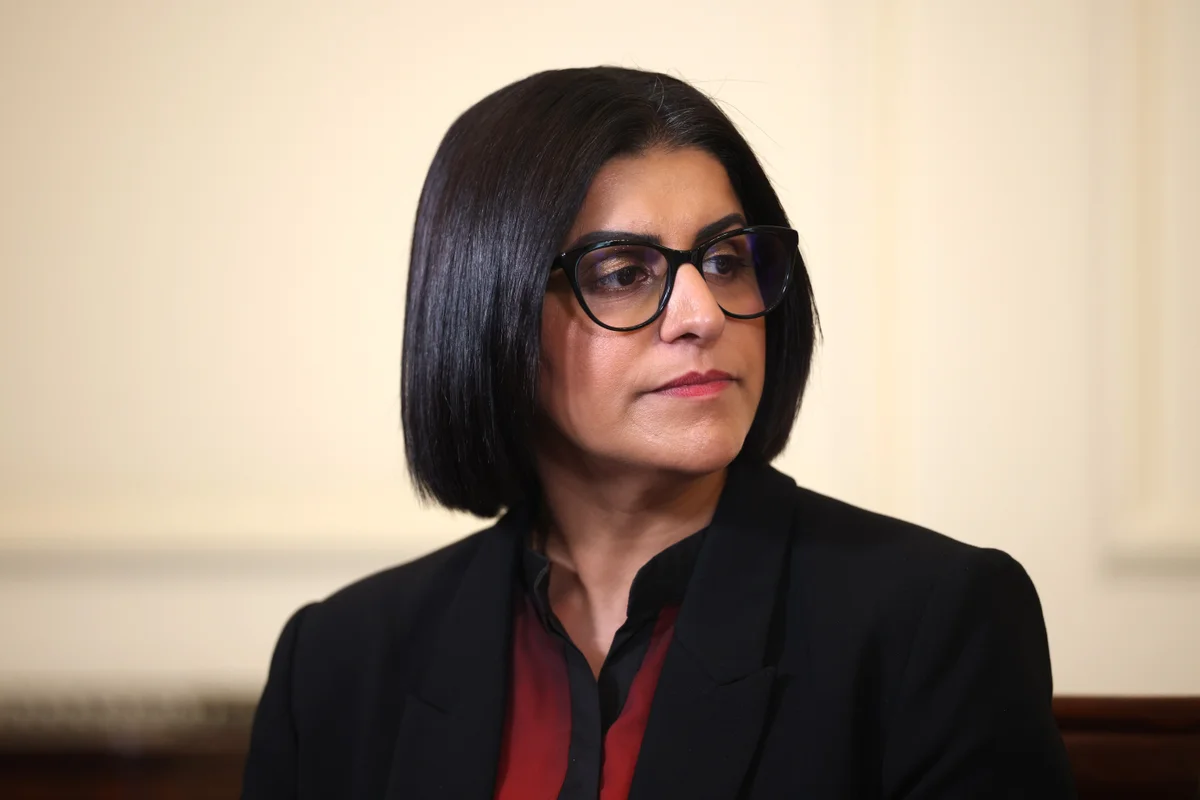
Shabana Mahmood, widely expected to be Andy Burnham’s choice for the next chancellor, previously called for a 50p highest-rate income tax to target high earners.
As the home secretary prepares for a potential reshuffle to Number 11, resurfaced comments have revealed some of her economic views, which she has rarely shared in her time in government.
In a House of Commons debate in 2014, Ms Mahmood said it was “wrong” for the Conservative government to reduce the additional rate of income tax from 50p to 45p. Under current thresholds, 45 per cent is charged on taxable earnings of more than £125,140.
She said: “This Government made a bad choice – the wrong choice – when they prioritised a tax cut for millionaires while ordinary working people continued to struggle as a result of their decisions, and we will not let them forget it.”
In 2014, the respected Institute for Fiscal Studies (IFS) estimated that the policy would cost the exchequer around £700 million a year, after behavioural changes.
The change was also rubbished by energy secretary Ed Miliband, also thought to be a potential pick for the Treasury post. As Labour leader in 2014, he pledged to reinstate the 50p rate if Labour came into power.
Ms Mahmood’s comments were made against the coalition government of the 2010s, led by David Cameron with George Osborne as chancellor. Their government oversaw strong ‘austerity’ measures in power – large public spending cuts in a bid to reduce government debt.
The 50p additional rate was introduced by then-prime minister Gordon Brown in 2010, meaning the policy only lasted around three years.
In its 2024 manifesto, Labour pledged not to increase taxes on “working people” through National Insurance, VAT, or income tax. This means it is unlikely that any chancellor would revisit the 50p policy during this parliament.
But the government has been lobbied to introduce other revenue-raising measures such as higher capital gains tax or even a wealth tax, which some argue would not constitute a raid on “working people”.
Mr Burnham has not ruled out a wealth tax, saying in the days before becoming PM that he believes “we need a greater sense of fairness”.
Speaking to former footballer and presenter Gary Lineker on Monday, he said: “You know, we are going to have to work quite hard to make sure, you know, we can pay our way.
“And at some point that might be having to ask for a little more. But, you know, those decisions are not for now. They’re for another day.”
The former Manchester mayor also said earlier in the month that there is “some room within [Labour’s] manifesto for movement on tax,” laying out his vision to cut business rates for small businesses, paid for with higher charges on warehouses owned by firms like Amazon.
Reports that Ms Mahmood is now the incoming prime minister’s favourite for Number 11 are understood to have come as a surprise to some Labour MPs, especially those further to the left of the party.
As a prominent figure in the ‘Blue Labour’ faction, she is not thought to be a natural ally of Mr Burnham’s and her concentration of the Home Office brief means she has not often spoken on economic matters.
After taking up the mantle of Labour leader on Friday, Mr Burnham will officially become prime minister on Monday, when his choices cabinet picks should finally be revealed.
Join thought-provoking conversations, follow other Independent readers and see their replies