

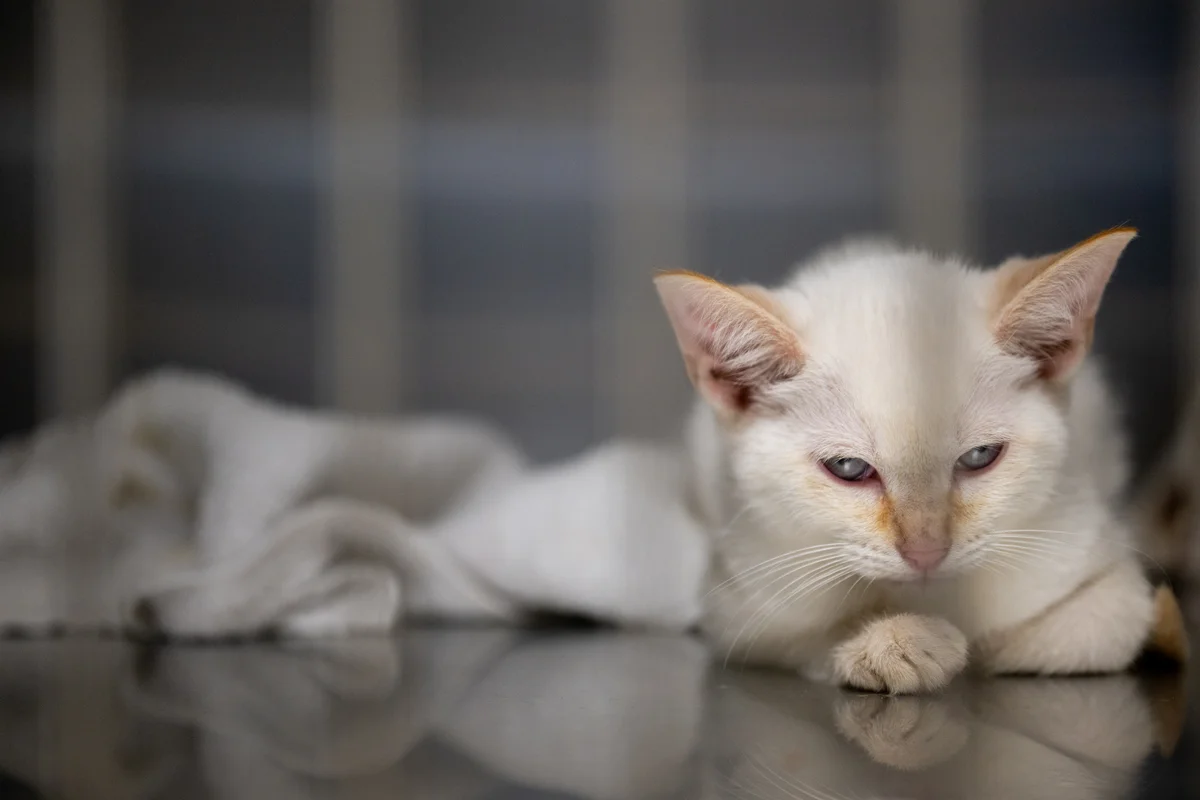
76% of cat owners surveyed now say they would keep their future cats indoors
Getting a cat to transition from an outdoor lifestyle to living indoors is not the hard task it was thought to be, a new study has found.
Carried out across New Zealand, the research project surveyed 87 cat owners undergoing the process, with the change described as “ultimately worthwhile”.
Just over 40 per cent of cats were reported to have adjusted “immediately”, while another 8 per cent adjusted within days and an additional 17 per cent within a matter of weeks.
With more than two-thirds of pet owners reporting that keeping their cat indoors was “easier than expected”, lead author of the study Dr Julia Henning said the findings challenged the commonly held belief that cats cannot adapt to an indoor lifestyle.
Some 77 per cent of cat owners said they were very likely to continue keeping their cats indoors, highlighting how the “long-term benefits far outweighed the difficulties”, said Dr Henning.
The study also found age to be a significant factor in how quickly cats adapted to indoor living, where 75 per cent of cats who were moved indoors below the age of two adjusted within days, compared to a 39 per cent rate for those above the age of two.
With nearly three in 10 households in the UK owning at least one cat, reasons for moving the pets indoors can widely vary – from preventing escapes, to changes in living arrangements.
Among those surveyed, cat safety was by far the most common motivation, with owners citing risks such as road traffic, attacks by other animals and disease.
Others also wanted to reduce the impact their cats could have on native wildlife, especially birds.
After the transition, several owners said the move had given them greater peace of mind, with one participant writing they experienced “less anxiety” about their cat throughout the day.
Although several participants have expressed similar positivity, the study also identifies several common challenges during the transition.
For some, these hurdles include maintaining litter trays, providing environmental enrichment, managing weight gain, and additional costs for food and home modifications.
But despite such issues, more than three-quarters of those surveyed said they would still plan to keep future cats indoors.
One owner summed up their thought process simply: “Safety – I know my cat will be alive longer.”
Join thought-provoking conversations, follow other Independent readers and see their replies