

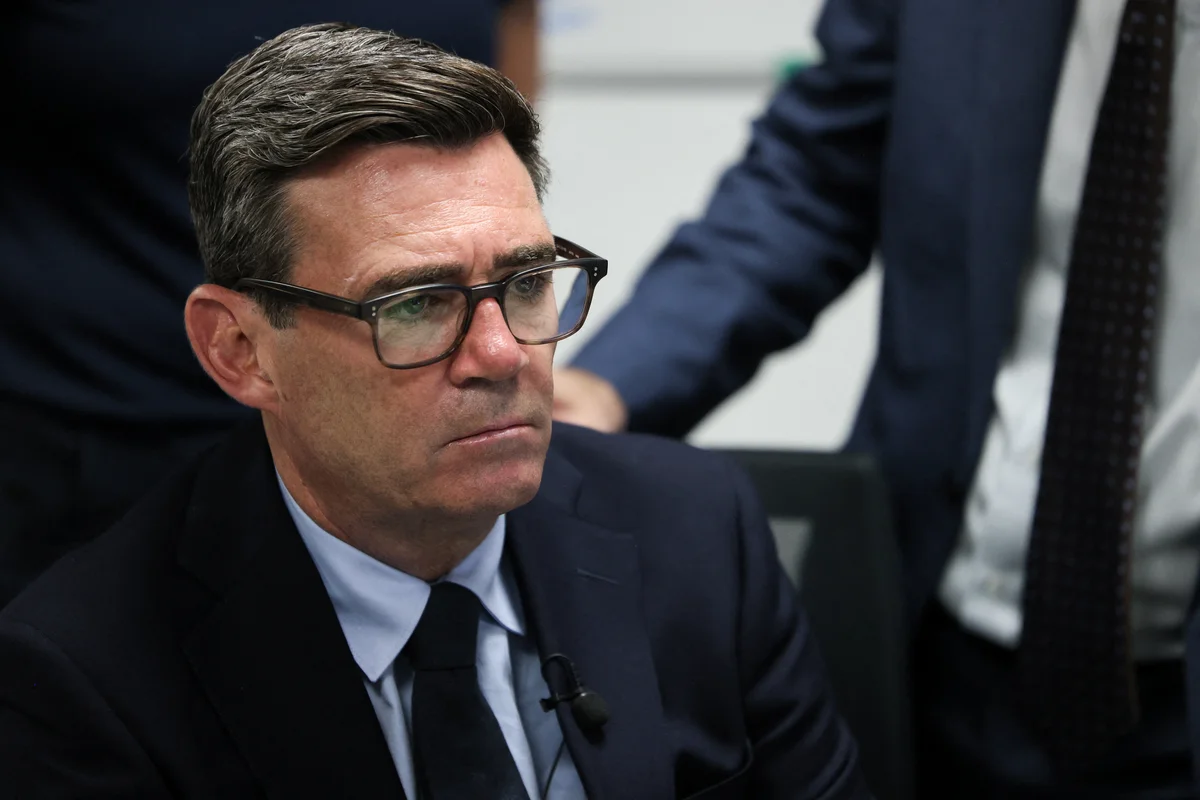
The community centres are set to offer walk-in support where members of the public can attend without needing a medical referral
A series of new mental health centres are set to open in local libraries, banks and other high street locations across England to ensure people receive “support earlier closer to home”, the government has announced.
Under the plans, officials confirmed that individuals experiencing a mental health crisis will receive specialist care inside dedicated mental health emergency departments instead of waiting in overcrowded general A&Es.
Prime minister Andy Burnham said the new centres will serve as a “lifeline” for the thousands of patients who are currently waiting “months” to access help.
The Department of Health and Social Care stated that 100 new community mental health centres and 59 dedicated emergency departments will be created as part of the “biggest redesign of mental health services in a generation”.
These community centres are set to offer walk-in support where members of the public can attend without needing a medical referral.
While some of the community hubs will be newly built facilities, others will operate inside banks, libraries and additional high street premises, the Department said.
In addition, extra mental health emergency departments will deliver same-day support for people undergoing a crisis who remain medically fit and do not require treatment in general A&E.
Situated within emergency departments, these specialist facilities will provide a “calm, therapeutic environment where people can be assessed quickly”, expanding England’s total to 82.
Mr Burnham said: “Nobody should be left to struggle with their mental health alone. But every day, thousands of people are waiting months for help, then finding the only door open to them is a busy A&E.
“These new centres will be a lifeline for so many. They will bring NHS services closer to home, making it easier to get support before problems get worse, and ensuring those in crisis get the right care in the right place.
“On the steps of Downing Street, I said we would build a country that acts sooner when people need help. Today is just the start of making that a reality.”
The Department said that the initiative is backed by £343 million and the first sites will open in autumn this year, with “further facilities following from March 2027”.
Health Secretary Yvette Cooper said: “Too many people are only getting mental health support when they reach crisis point, after struggling for far too long to get the help they need.
“These new community mental health centres will help people get support earlier and closer to home, making it easier to get the right care before problems escalate. And when someone does need urgent help, new mental health emergency departments will be able to make sure they are seen quickly by specialist teams in the right setting.
“This is how we can turn the tide on mental ill health – preventing more people from reaching crisis, cutting waits for care, and building an NHS which is there for everyone when they need it.”
The announcement forms part of the forthcoming Mental Health Strategy, which is expected to be published later this year.
The strategy will be informed by the independent review into mental health conditions, ADHD and autism, which is expected in the autumn.
According to NHS figures, 2.36 million people in England had an open referral with mental health services at the end of May 2026, up from 2.10 million a year earlier and 1.95 million in May 2024.
Brian Dow, deputy chief executive at the charity Rethink Mental Illness, said: “The expansion of neighbourhood mental health centres is a vital step towards making this a reality, building on the promising results of existing pilot sites.
“By bringing together treatment and wider support services under one roof, these centres can transform experiences of care, helping people to access support earlier and preventing them from reaching crisis point.”
Tom Pollard from the charity Mind added: “This is a promising step towards more people getting the mental health support they need, when they need it. Too often, we hear from people struggling to access overstretched services whose mental health worsens because of this.”
Join thought-provoking conversations, follow other Independent readers and see their replies