

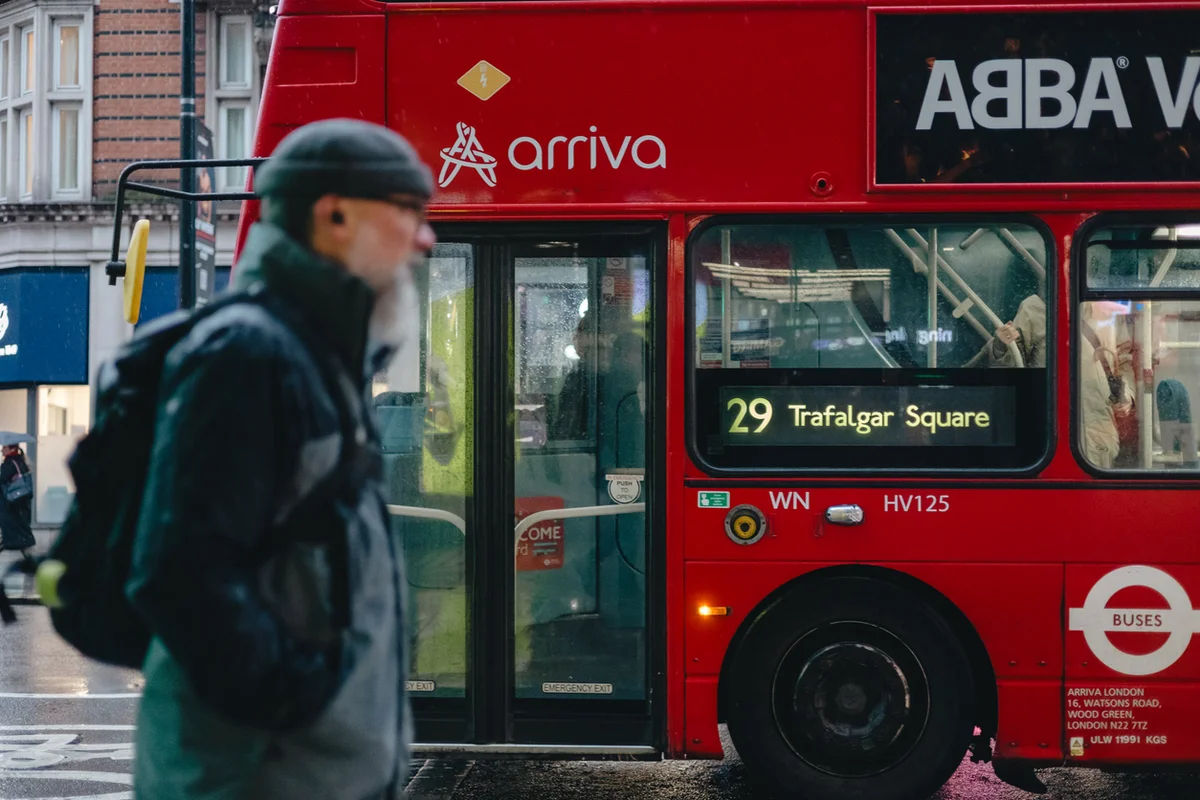
The £60m project will be funded by the Department for Work and Pensions and the Department for Transport
Holders of disabled bus passes across England will be granted round-the-clock free travel starting in April next year.
The decision to lift time limits on concessionary passes is aimed at easing the cost of living.
Currently, these passes are restricted to weekday travel between 9.30am and 11pm, except where local authorities choose to fund additional hours — as occurred in Greater Manchester earlier this year when Andy Burnham was mayor, prior to him replacing Keir Starmer as prime minister in July.
Government intervention will now end these time restrictions across the entire country from next year.
The £60 million project will be funded through existing departmental allocations, with £40 million coming from the Department for Work and Pensions and £20 million from the Department for Transport.
Since becoming prime minister, Mr Burnham has introduced a series of measures to tackle rising living costs, including removing VAT from electricity bills, capping bus fares at £2, and lowering business rates for pubs.
Mr Burnham said: “Buses are a lifeline for so many people – making it easier to get to work, education and healthcare.
“It’s simply not right that many disabled people cannot travel using their pass during certain times of the day. So we’re fixing that. Disabled people will now have unlimited free bus travel 24/7.
“I did it before in Greater Manchester and I’m proud to do it now for the whole country. This is part of our ongoing action to bring back hope and give people some much-needed breathing space on the cost of living.”
The decision was welcomed by Liberal Democrat Tom Gordon, following nearly two years of campaigning for the reform.
The MP for Harrogate and Knaresborough said: “Disabilities don’t start at 9 o’clock, neither should disabled bus passes and soon enough they won’t. This is a huge win for the disabled community.”
After MPs turned down his initial proposal in 2025, he had aimed to trigger a second Commons vote on lifting time limits this September.
When Mr Burnham announced the £2 bus fare cap in July, he said it was backed by £454 million of funding, including money to allow devolved governments to take similar action.
Some £400 million of that funding will come from shifting investment in international climate finance to loans, with £54 million from savings in the Department for Energy Security and Net Zero budget.
The total cost of the scheme is expected to be more than £500 million, with the rest coming from Department for Transport funding already allocated to buses.
Join thought-provoking conversations, follow other Independent readers and see their replies