

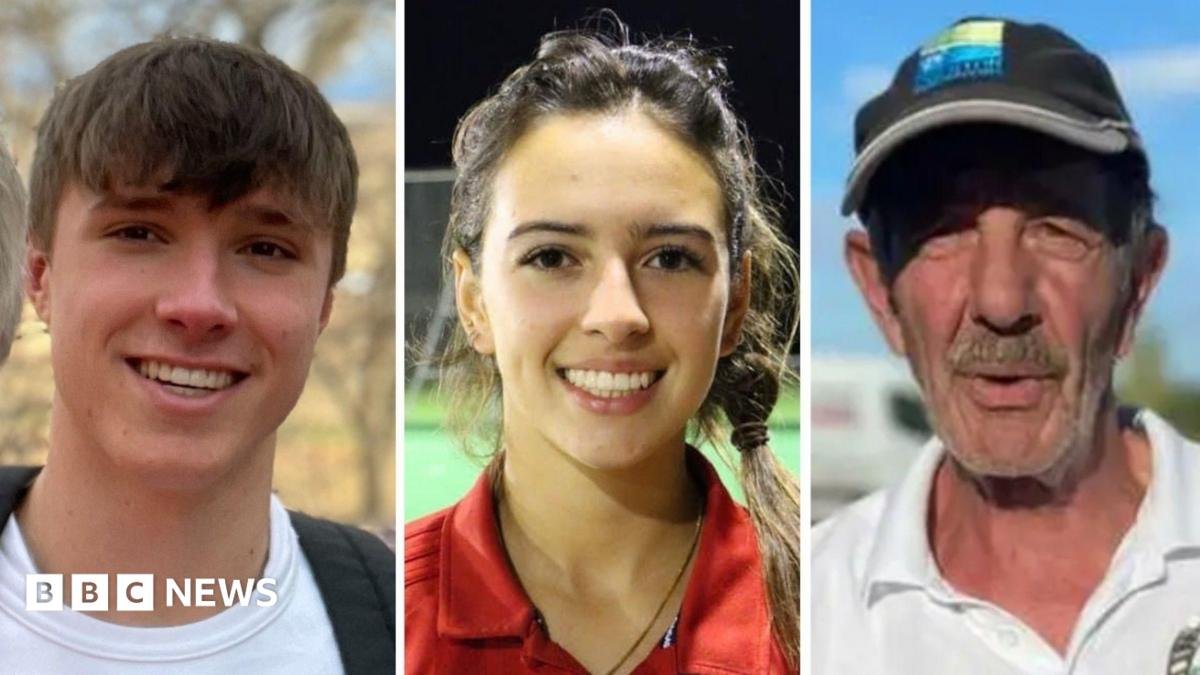
The death of a student killed in the Nottingham attacks was “potentially preventable”, an inquiry has heard.
Barnaby Webber – along with Grace O’Malley-Kumar and Ian Coates – were killed by Valdo Calocane, who had been diagnosed with paranoid schizophrenia in 2020, in June 2023.
On Tuesday, ahead of closing statements to the Nottingham Inquiry, the hearing was told a “more rapid administration of blood products” could have increased Barnaby’s chances of getting to hospital with enough of a heartbeat to undergo surgery.
The inquiry heard Barnaby had a less than 50% chance of surviving his injuries, characterised as “potentially preventable”, while Grace and Ian’s deaths were “not preventable”.
A panel of medical professionals assessed the emergency medical response on the day of the attacks to assess “survivability”.
In their assessment, provided to the inquiry, the panel noted the hard work of the emergency responders in their care to the victims.
The panel found that even if blood products had been administered to Barnaby earlier and more rapidly, multiple other rapid and particular steps would have had to have taken place for him to have survived.
The families of the victims sobbed as the assessments were read out by counsel to the inquiry Rachel Langdale KC. Grace’s father, Dr Sanjoy Kumar, left the hearing room.
The Nottingham Inquiry started hearing evidence in February, with more than 100 witnesses questioned over three months.
Witnesses included police staff and officers, mental healthcare practitioners, Calocane’s former flatmates and family members, the bereaved families and the survivors of the attacks.
A number of revelations emerged in evidence about errors in Calocane’s care, his previous interactions with police and failings both during and in the aftermath of the attacks.
Calocane – who also seriously injured three others in the attacks on 13 June 2023 – is currently serving an indefinite hospital order in a high-security facility after pleading guilty to three counts of manslaughter, on the grounds of diminished responsibility, and to three counts of attempted murder.
The inquiry is currently hearing updates in evidence since the end of oral evidence earlier this year.
These further updates will be followed by closing statements – the final oral submissions to the chair, retired senior judge Deborah Taylor KC.
On Tuesday, Taylor said it was “disappointing” that over the break, evidence had emerged which “ought to have been identified” and disclosed earlier.
She directed core participants to provide any corrections to errors or omissions by no later than 31 December.
Tell us which stories we should cover in Nottingham
We’ll crumble when inquiry ends, says victim’s mum
Nottingham attacks NHS trust faces manslaughter probe
What we learned from the Nottingham attacks public inquiry
‘Hideous revelation each day’ as attacks hearings end
What is the Nottingham public inquiry and how does it work?
Related internet links The Nottingham Inquiry