

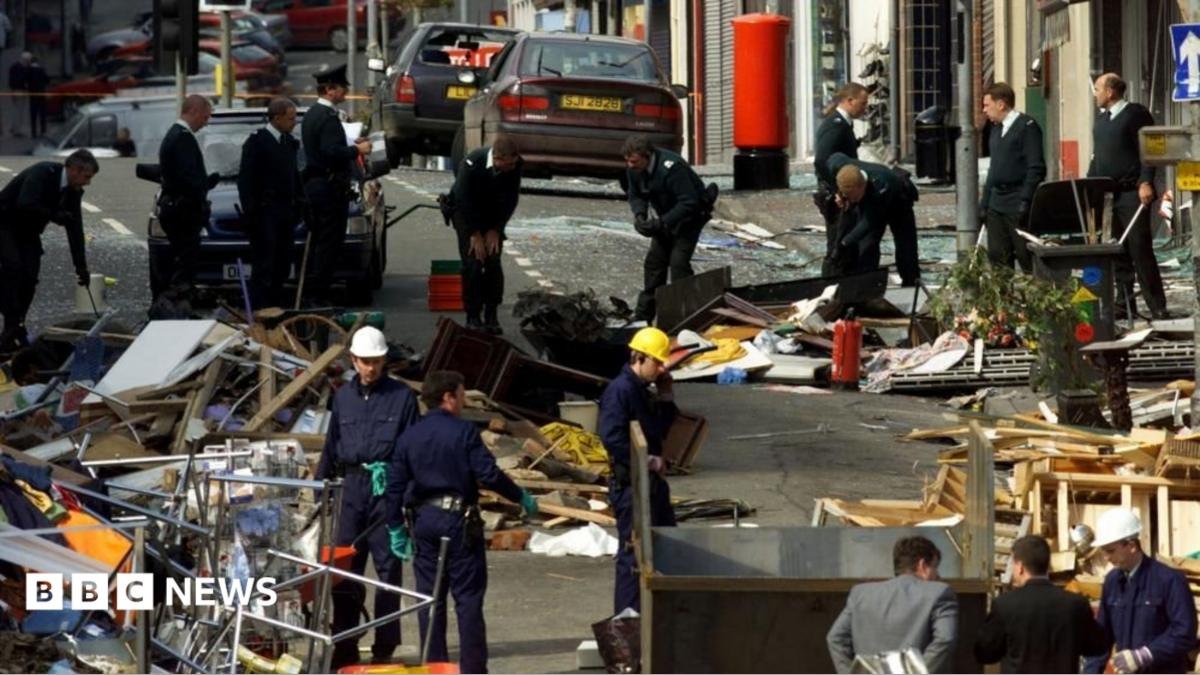
The next phase of hearings at the Omagh Bombing Inquiry will begin on Monday, six months later than scheduled.
Twenty-nine people, including a woman pregnant with twins, died in the bombing in the County Tyrone town on 15 August 1998 – the biggest single atrocity in the Troubles.
The hearings will centre on the days immediately before and after the atrocity and will examine how the bombing was carried out and who was responsible.
The inquiry was due to resume in March and the delay was partly due to the availability and scale of material coming from the Republic of Ireland.
Among the witnesses this week will be a senior garda officer who is expected to provide initial evidence about the theft of the car used in the explosion.
It was stolen in Carrickmacross, County Monaghan two days before the explosion.
The first phase of the inquiry has already heard the personal testimonies of those bereaved and injured in the Real IRA bombing.
Among other witnesses in the second phase were police, Northern Ireland’s police ombudsman and the then RUC chief constable, Ronnie Flanagan.
The inquiry was established to determine if the bombing could have been prevented by UK state authorities.
The third phase is expected to last about four weeks.
The Omagh bomb exploded on 15 August 1998, killing 29 people including a woman pregnant with twins.
It came less than three months after the people of Northern Ireland had voted yes to the Good Friday Agreement.
No-one has ever been convicted of the atrocity.
Three days after the attack, the Real IRA released a statement claiming responsibility for the explosion.
It apologised to “civilian” victims and said its targets had been commercial.
No-one has been convicted of carrying out the murders by a criminal court.
In 2009, a judge ruled that four men – Michael McKevitt, Liam Campbell, Colm Murphy and Seamus Daly were all liable for the Omagh bomb.
The four men were ordered to pay a total of £1.6m in damages to the relatives, but appeals against the ruling delayed the compensation process.
A fifth man, Seamus McKenna, was acquitted in the civil action and later died in a roofing accident in 2013.
Omagh bomb: Timeline of families’ bid for justice
Bomb changed my life forever, survivor says
Government announces inquiry into Omagh bombing