

Animal dodged capture for months after it was thought to have swum to the island of Rousay
A stoat has managed to evade dogs, AI cameras, and targeted traps for more than five months on the Scottish island of Rousay.
The £150,000 operation was launched in April following sightings of the “stealthy, fast-moving animal” on the Orkney island, where stoats pose a serious threat to the native wildlife.
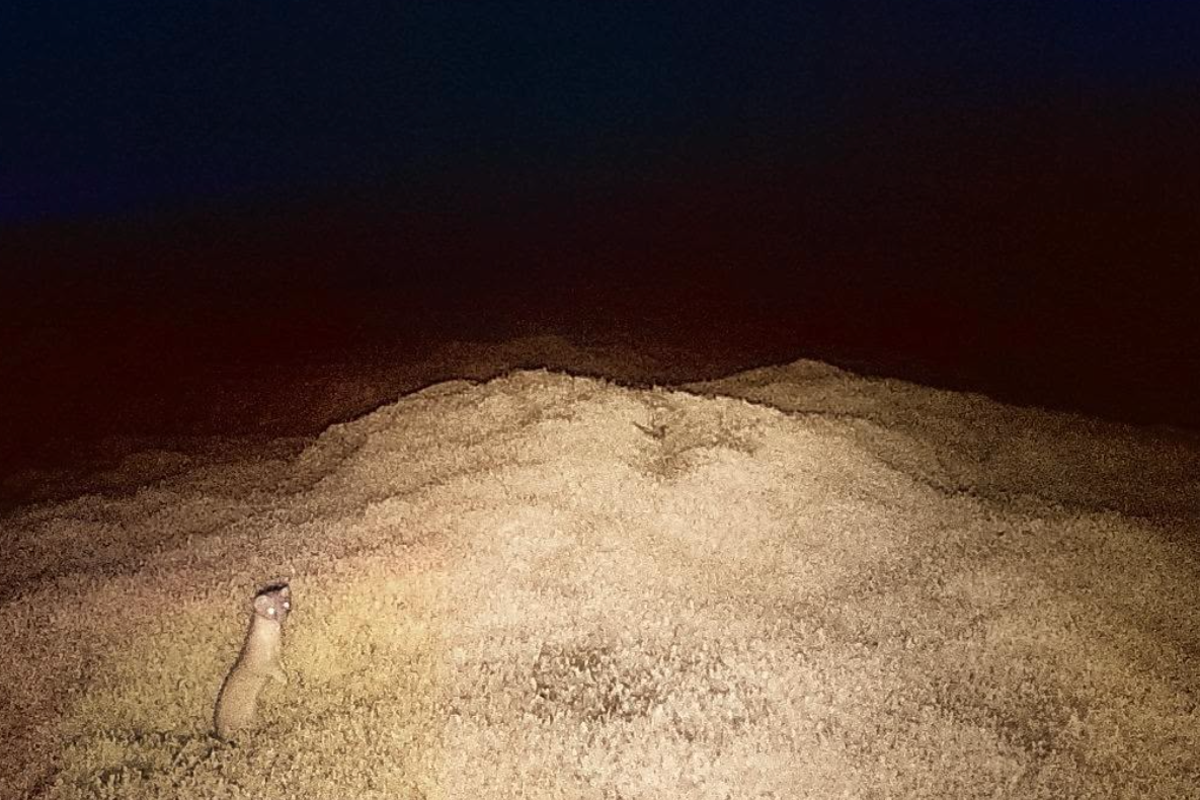
A trail camera image then confirmed its presence in May. It is believed the animal swum to the island from elsewhere in the Orkneys.
The Orkney Native Wildlife Project (ONWP) deployed dogs, set up traps across the island, used AI-assisted trail and thermal cameras, and sent trained local biosecurity volunteers from the Rousay community to find the creature.
After dodging the extreme measures for several months, the lone male stoat was finally found in a trap on Saturday near the Loch of Loomachun.
Ian Barker, an island local and biosecurity volunteer, said: “If you’ve ever been to Rousay, you’ll know that finding this stoat raised a lot of challenges.
“We were looking for just one stealthy, fast-moving animal across 4,500 hectares of island – most of which is heather moorland, which is difficult to cross on foot and very easy for stoats to hide in. It has been great to see professionals and volunteers coming together and achieving this common goal.
“I’m really happy that we succeeded in catching this stoat, and that we’ve managed to protect our native wildlife.”
The ONWP said it is increasingly confident that the incursion was limited to a single animal, but will continue to monitor the island to confirm that there are no more stoats until April 2027.
It said there were no signs of female stoats breeding in Rousay or a stoat population establishing itself outside the Orkney Mainland.
“It is heartening to everyone involved that the danger posed to native wildlife on Rousay has been quashed,” it added.
“Even by Orkney’s high standards, the island is an important place for nature, particularly for breeding seabirds and birds of moorland, peatland and lochans like curlews, red-throated divers, hen harriers and short-eared owls.
“It is also one of the islands in Orkney that is home to the Orkney vole – a unique subspecies found nowhere else on earth.”
More than 9,100 stoats have been removed from Orkney as part of the largest stoat eradication on an inhabited landscape anywhere in the world.
Alice Head-Rapson, an ONWP trapper who set the trap box that caught the stoat, said: “This incursion response was a test of our skills, but everybody at the project stepped up to meet the moment.
“My teammate, Benjy, and I spent the summer and autumn monitoring as much of Rousay as we can and expanding our trap networks, with a focus on sighting hotspots like the Loch of Loomachun.
“Our work has certainly paid off. It’s still important we guarantee with complete confidence that the stoat we’ve trapped was the only one, but our achievement here is a big deal and we hope that will help to keep nature safe across all of Orkney.
“Working with the island community has been a privilege, and we’re really grateful for all the support the volunteers there have shown for native wildlife.”
Join thought-provoking conversations, follow other Independent readers and see their replies