

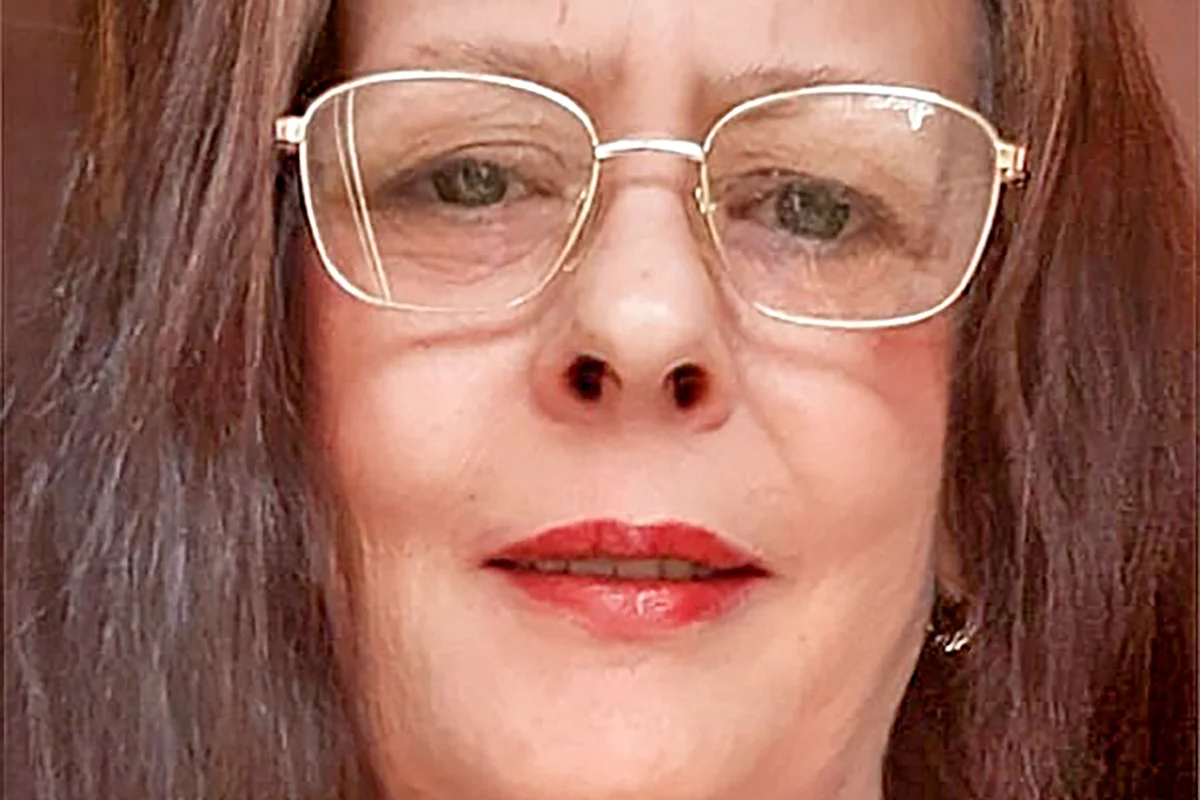
Carmen Price’s daughter is now taking her fight for answers to the High Court
A woman whose mother died after a 999 call handler stood down an ambulance despite the patient bleeding around her eyes has won a legal bid to take her case to the High Court.
Carmen Price, 61, was initially believed to be suffering from sepsis and was scheduled to be transported by emergency service crews, but the call-out was cancelled.
Seven days later, Ms Price’s partner requested an ambulance after she collapsed, but she died at her home prior to the arrival of paramedics.
At an inquest into the death of Ms Price, a coroner determined that she had died of “natural causes”.
However, Ms Price’s 41-year-old daughter, Alison Dawkins, is challenging that conclusion and has spent months campaigning for a fresh review of the inquest.
“My mum’s death was not natural, it was avoidable,” Ms Dawkins insists.
Ms Dawkins has now secured official approval from Solicitor General Andy Slaughter, granting her permission to apply for a new inquest at the High Court.
Ms Dawkins said: “For almost 17 months, I’ve been fighting for answers about my mum’s death while trying to grieve for her.
“Then dad died just six months after mum.
“I’ve been trying to cope with losing both my parents while carrying on with this fight. Receiving the fiat [approval] from the Solicitor General was a huge moment after everything it has taken to get here.
“This is my fight for mum, because she’s no longer here to speak for herself. She mattered. Her life mattered. I’m her daughter, and I shouldn’t have to fight this hard to get answers about her death – but I cannot walk away while those questions remain unanswered.”
Ms Dawkins is now working with a solicitor and barrister to prepare her formal application.
She said: “There is still a long way to go, but this is a significant step forward.
“Nothing can bring my parents back, and I’m still grieving them both. But I can keep standing up for mum and pushing for her death to be properly investigated. I want answers for our family, and I want any lessons learned to help prevent another family having to go through this.”
A transcript of a call made to 111 was obtained by Ms Dawkins following a formal request after her mother passed away.
The call log details that at 11.05am on 28 May 2025, a care coordinator from the Basingstoke Community Mental Health Team, Hants, contacted 111 after finding Ms Price unwell.
During the conversation, Ms Price, who lived in Oakridge, Hampshire, explained that her face was swollen, she was short of breath, and she had bleeding around her eyes.
A call summary revealed that the 111 operator initially categorised Ms Price’s condition as suspected sepsis and confirmed an ambulance was being dispatched.
An internal review by Hampshire and Isle of Wight Healthcare NHS Foundation Trust noted that the mental health worker subsequently left, believing hospital transport was en route, leaving Ms Price’s partner present.
Roughly 45 minutes later, a 999 clinician phoned back and spoke to Ms Price’s partner, who reported that she felt all right, though confused, and merely needed a prescription refill.
Following that conversation, the emergency response was stood down.
Ms Dawkins said: “My mother’s physical health concerns were not taken seriously enough, and too much reliance was placed on what her partner said rather than on professional assessment.”
The following day, on 29 May 2025, Ms Price filmed a video of herself, which Ms Dawkins said showed her face swollen, lips blue, and skin grey and sweaty.
Sepsis is a serious reaction to an infection that can be life-threatening. It develops very quickly and needs urgent treatment in hospital.
Common symptoms of sepsis in adults include: