

A council responsible for licensing Yorkshire Wildlife Park, where the man was killed by a tiger on Saturday, has started a health and safety investigation
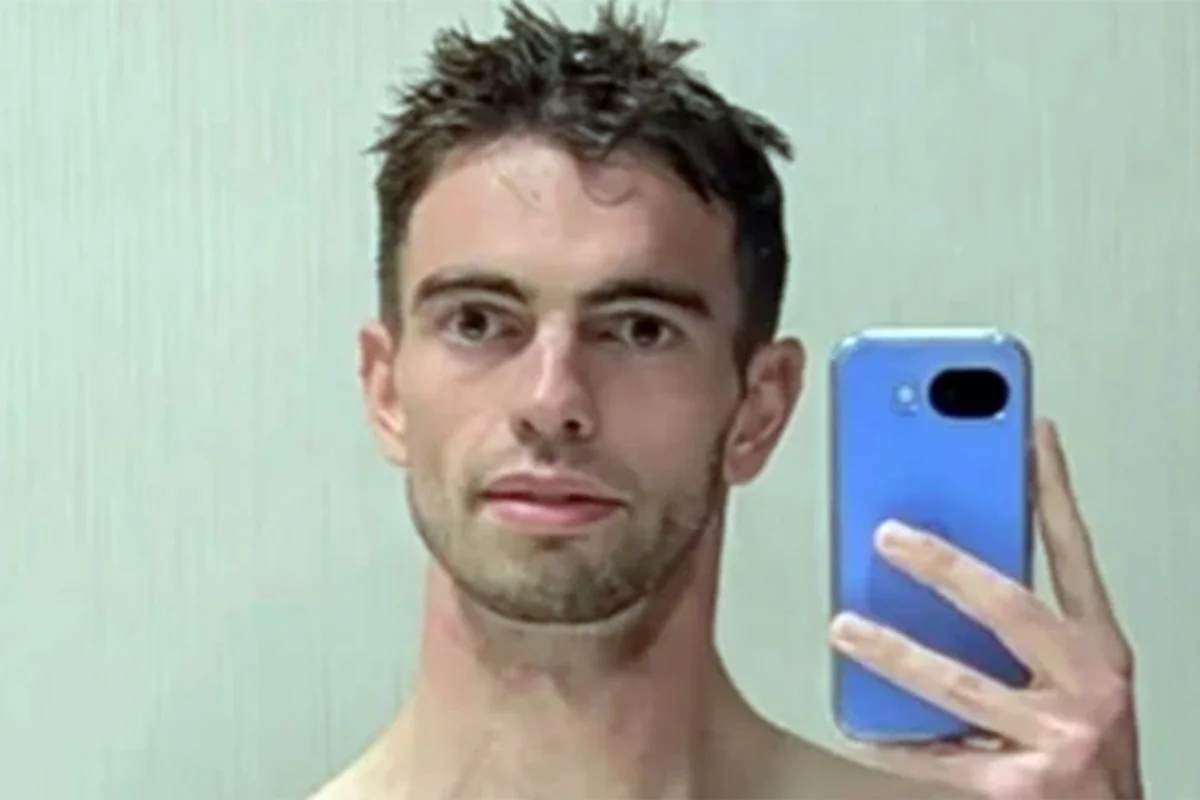
The man who was fatally wounded after entering a tiger enclosure has been named as William Chapman, The Independent understands.
Mr Chapman posted footage online minutes before he was killed of him approaching the tiger, called Altai, at the Yorkshire Wildlife Park on Saturday.
Emergency services were called to the wildlife park near Doncaster after he climbed into the animal enclosure and was then attacked by the tiger. Witnesses said he overpowered a woman who “desperately tried” to stop him entering the compound.
He was later pronounced dead at the scene.
On Monday evening, a South Yorkshire Police spokesperson told the BBC: “It is not believed that the man who died at the Yorkshire Wildlife Park was being accompanied by anybody.”
Also on Monday, the City of Doncaster Council licensing authority launched a health and safety investigation into the incident.
Dan Swaine, executive director of place at the council, said: “At this time, we won’t be commenting further on the individual or the investigation and we ask that the privacy of those involved is respected at this difficult time.”
The man who was fatally wounded after entering a tiger enclosure has been named as William Chapman, The Independent understands.
Mr Chapman posted footage online minutes before he was killed of him approaching the tiger, called Altai, at the Yorkshire Wildlife Park on Saturday.
Emergency services were called to the wildlife park near Doncaster after he climbed into the animal enclosure and was then attacked by the tiger. Witnesses said he overpowered a woman who “desperately tried” to stop him entering the compound.
He was later pronounced dead at the scene.
The man who died in a tiger enclosure in Yorkshire is not believed to have been accompanied by anybody, it has been reported.
A South Yorkshire Police spokesperson said: “It is not believed that the man who died at the Yorkshire Wildlife Park was being accompanied by anybody.”
South Yorkshire police will not be naming the victim who was killed by a tiger, The Independent understands.
It is understood that the family have requested the man is not named.
A health and safety investigation has been launched into the death of a man who was killed by a tiger at Yorkshire Wildlife Park, its licensing authority the City of Doncaster Council said.
Dan Swaine, Executive Director of Place at City of Doncaster Council, said: “We are deeply saddened by the incident that occurred this weekend and our thoughts and deepest sympathies are with everyone involved, including the family and loved ones of the person who tragically lost their life, those that witnessed the incident and the staff involved at Yorkshire Wildlife Park, as well as the emergency services who provided a swift response.
“As the relevant licensing authority for the Yorkshire Wildlife Park, I can confirm that, in line with our statutory duties, the council has launched a health and safety investigation.
“We are also working with multiple agencies, including the police and health agencies, and are supporting the Yorkshire Wildlife Park in response to the incident.
“At this time, we won’t be commenting further on the individual or the investigation and we ask that the privacy of those involved is respected at this difficult time.”
Yorkshire Wildlife Park opened in 2009, with the Land of the Tigers attraction opening in 2011.
The attraction is a purpose-built, two-acre reserve for Amur tigers, an endangered subspecies with around 500 left in the wild.
Photos of the enclosure on the park’s website show a high walkway for visitors and fencing above the section where the tigers can roam.
Public safety is an “integral part” of standards regulating zoos in the UK, but risks linked to “unpredictable behaviour” from visitors can never truly be eliminated, experts have said.
Dr Campbell Murn, a former member of the government’s expert committee for zoos and a lecturer in Conservation Science at the University of Reading, said such incidents remain rare, but strengthened regulations could help mitigate risks further.
He said: “There’s an enormous amount of effort that goes into the securing of public safety for people who are visiting zoos, in addition to the weight that’s given to animal welfare in those settings as well.
“So it’s certainly something that is a very big and integral part of the zoo standards in this country.”
He added that, in zoos that have dangerous wild animals, enclosure design follows set regulations, and staff are trained in emergency responses.
“Their training is updated regularly, and they have immediately known and very rapid protocols to respond to emergency incidences, whether it’s an escape in the zoo or whether in very rare situations like this,” he said.
“There’s a lot more extensive safety systems involved with dangerous wild animals,” he said.
“There’s very clear standards that indicate the size and height of particular enclosures for dangerous wild animals.”
Earlier on Monday a woman who lives near the wildlife park said she was concerned over reports the victim may have had additional needs and that people “seemed to care more about the tiger”.
Angela Seivewright, who went to lay flowers at the gate of the park, said she had previously seen adults with special needs in the park with carers who appeared to be “a bit distracted” and felt “sad” at much of the reaction to the man’s death.
Ms Seivewright said: “I believe that the person who was killed had additional needs.
“And, when I looked at social media over the weekend, when I said I hoped the person was OK, I got really bullied a lot – saying that he deserved to die.
“I have a special needs child and I think he was doing sign language to the tiger.
“So, it just felt it was really unfair that people were almost wishing him to die as opposed to not wanting anybody to be hurt.
“So it was really upsetting. My daughter goes to school next door and we live around the corner. And I just thought there would be way more flowers here.”
Dr Paul Rose, a member of the UK Zoos Expert Committee (ZEC) and lecturer in animal behaviour at the University of Exeter, said zoos do take into account risks linked to unpredictable behaviour from members of the public in their safety protocols.
“Public behaviour can be unpredictable as we all know,” he said.
“There will be mitigation in place, such as high fencing, stand-off barriers, signage and explanation and a code of conduct for how to behave at the zoo – and for visitors to take responsibility for their actions.
“Risk assessments will also be undertaken regularly.
“However, a risk of unusual human behaviour will always remain.
“The majority of visitors behave in a way respectful of the animal and environment at the zoo, but there is always a risk of rogue or unusual behaviour and this will continue to be risk assessed and part of zoo personnel training.”
Join thought-provoking conversations, follow other Independent readers and see their replies