

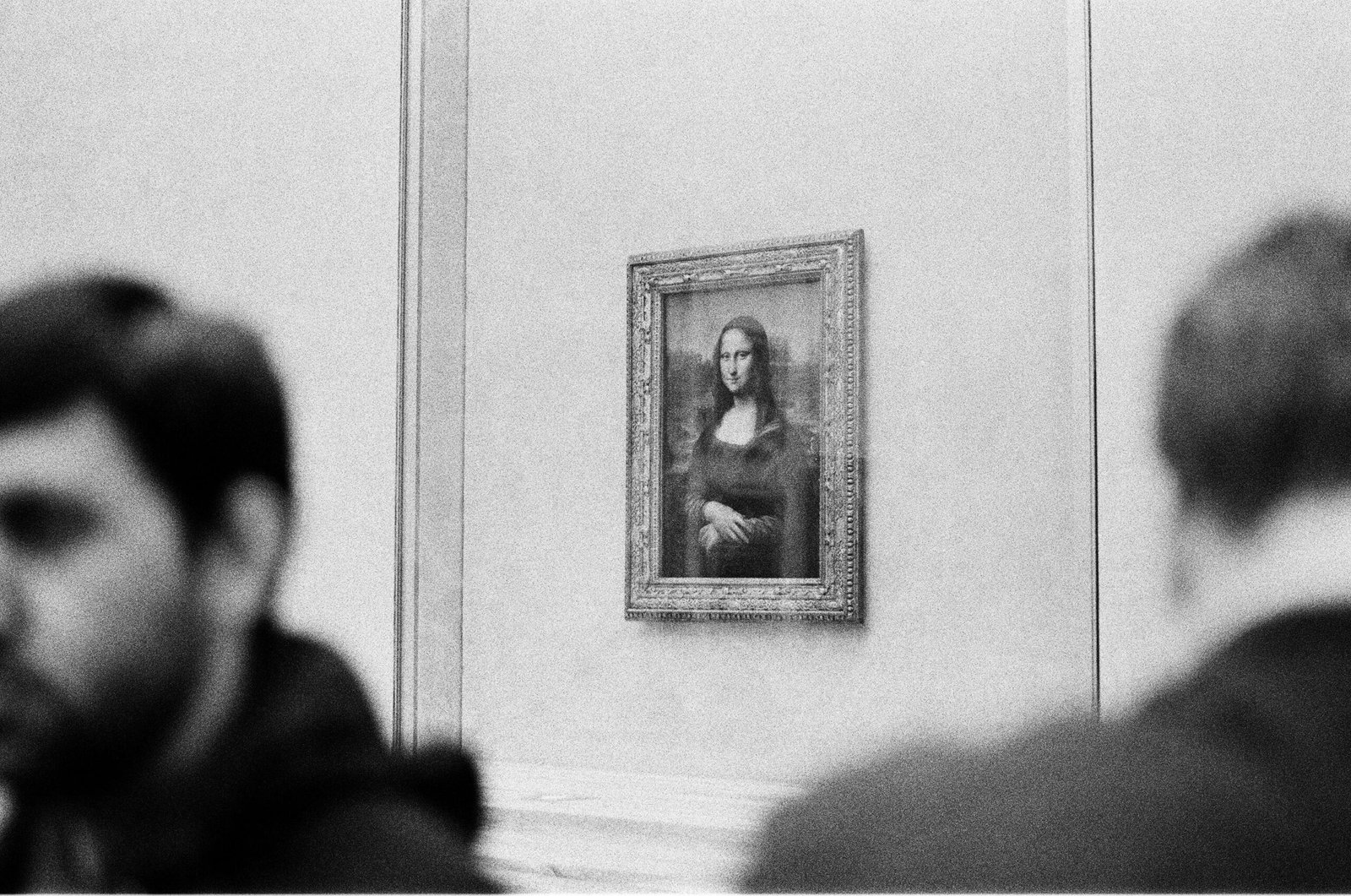
- French President Emmanuel Macron announced plans to move the Mona Lisa to a new space in the Louvre by 2031.
- The move is part of the New Renaissance project, aimed at renovating the museum and improving visitor experience.
- The project will also involve designing a second entrance to the museum and modernizing infrastructure.
- The project, funded through ticket sales, donations, and sponsorship, aims to ensure the Louvre remains the world’s most visited museum.
In a significant announcement that marks a new era for the world’s most visited museum, French President Emmanuel Macron revealed plans to move the iconic Mona Lisa to a new exhibition space within the Louvre in Paris. The move is part of a broader initiative, dubbed the New Renaissance project, aimed at renovating the museum and improving visitor experience. The announcement was made by Macron himself, standing in front of Leonardo da Vinci’s masterpiece, to an audience of dignitaries. The relocation of the Mona Lisa is expected to be completed by 2031, and visitors will be charged separately to view the painting.
This move is part of a broader initiative to alleviate the growing pressure of visitor numbers beneath the famous glass Pyramid, which has been the unique access point to the galleries since 1989. The Louvre’s director, Laurence des Cars, had previously warned the government about the museum’s grave problems of overcrowding and failing infrastructure. In a letter made public earlier this month, she stated that the pyramid was structurally unable to cope with visitor numbers that now reach more than nine million a year.
She also highlighted the need to reconsider the presentation of the Mona Lisa, which attracts about three-quarters of the museum’s 30,000 daily visitors. The experience of viewing the Mona Lisa has become an endurance test for many, with a constant crowd being funneled through the Salle des Etats and getting on average 50 seconds to observe the picture and take photos.
New Renaissance Project: A Comprehensive Overhaul
The New Renaissance project will also involve an international competition to design a second entrance to the museum. Macron’s plan includes a redesign of the eastern facade of the museum, which currently consists of a classical colonnade fronted by an artificial moat and a little-used esplanade. A new entrance-way will give immediate access to new underground exhibition spaces beneath the Cour Carré, which will in turn connect with the area beneath the pyramid.
The French president believes that the new front – the biggest change to the museum since President François Mitterrand’s Grand Louvre project 40 years ago – would tie in with city plans to create a tree-filled green zone on the esplanade. It would, he said, help integrate the museum into the city and give it back to the Parisians. The relocation of the Mona Lisa will also allow the museum to present it properly, and make it easier to view other masterpieces, which are too often overlooked, on display in the Salle des Etats.
Major renovation work will also be undertaken in the coming years to modernise infrastructure, and provide new toilet, restaurant and rest facilities. The overall cost of the project is estimated to be several hundred million euros. However, Macron assured that the project would not cost the taxpayer anything, as it would be funded through ticket sales, donations, and the museum’s sponsorship deal with the Louvre Abu Dhabi.
Legacy and Future Implications
This announcement comes at a time when Macron’s powers have been significantly curtailed since losing control of the French parliament six months ago. The president has been in search of a new cause with which to assure his legacy. His leadership in the post-fire renovation of Notre-Dame cathedral appears to have whetted his appetite for a similar grand project at the Louvre.
This is not the first time that a major art institution has undergone significant changes. For instance, the Pam Miller Downtown Arts Center in Lexington underwent a $2.7 million renovation and upgrade, transforming the third floor into an event, studio, and meeting space. Similarly, the Louvre’s renovation project aims to enhance the visitor experience and address the challenges posed by the increasing number of visitors.