

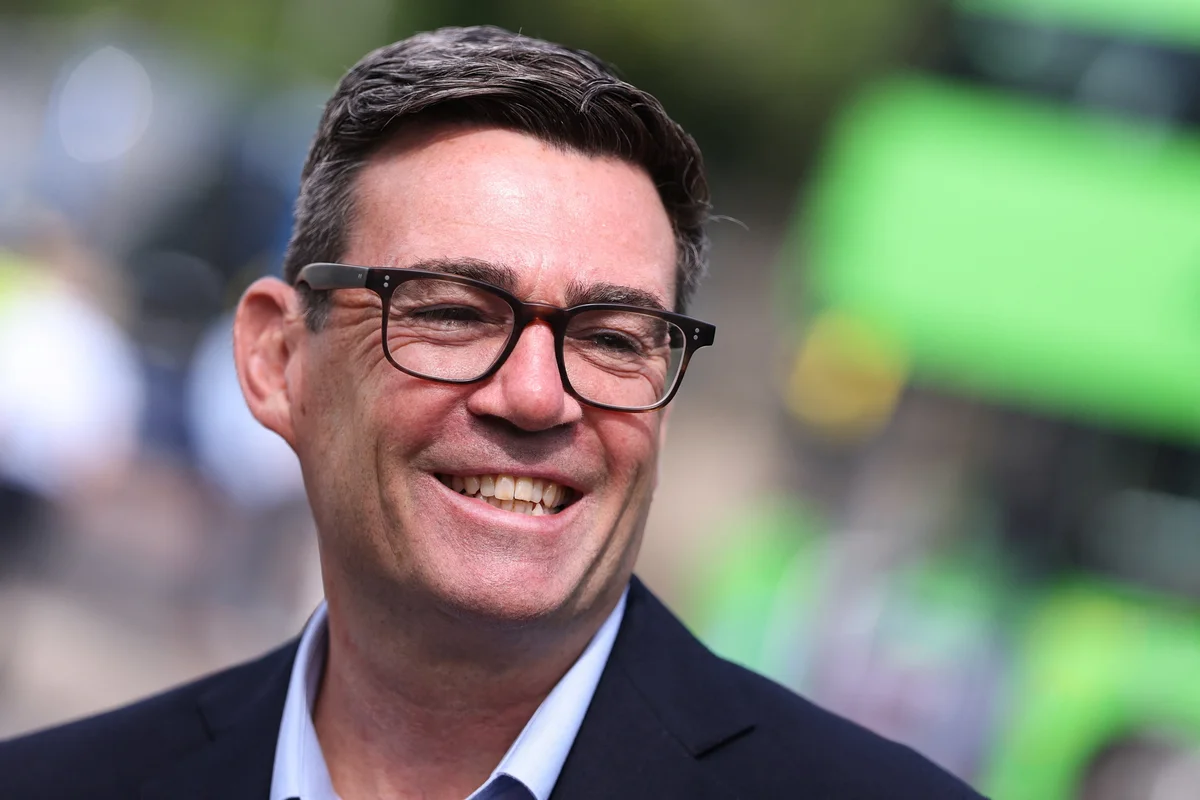
Economists warn that the chancellor may be forced to raise taxes to pay for new PM’s promises to tackle cost of living
Andy Burnham will be forced to raise taxes as a result of his policy blitz in his first days since entering No 10, economists have warned.
The new prime minister has announced a 20 per cent business rate cut for pubs, clubs and live music venues, a VAT cut to electricity bills and capped bus fares to £2 from January.
The business rate cuts alone are expected to cost the government around £100m per year – but it is unclear how it will be funded.
Economists have warned that the chancellor, John Healey, may be forced to raise taxes “significantly” to pay for the string of cost of living promises made by the prime minister since he came into office on Monday.
“Depending on the price tag for all these things, then it would have to be a significantly revenue-raising Budget to pay for some of those big-ticket items,” James Smith, chief economist at the Resolution Foundation told the Telegraph.
Stephen Millard, the deputy director at the National Institute of Economic and Social Research, also told the paper: “It’s not clear that the money would be there absent tax rises. To meet these commitments, taxes are going to have to go up somewhere. The question, of course, is where.”
Mr Burnham has insisted his policy plans are fully funded, but sacked minister Darren Jones revealed on Tuesday that the Digital ID scheme to be used to fund his energy bill VAT cut was not funded in the first place.
Conservative shadow chancellor Sir Mel Stride also accused the government of “not actually specifying where the money is going to come from”.
Asked if he supported Mr Burnham’s £2 cap for single bus fares from January, Sir Mel told BBC Breakfast: “I think anything that’s about trying to get on top of cost of living pressures, of course, is very important because under this Government we’ve seen very high levels of inflation, amongst other things.
“But there’s a broader point here that’s really important, which is that under Labour we’ve ended up with a huge debt, massive servicing costs on that debt, and that means that we’ve really got, as a government, the government’s got to be explaining exactly where all these spending commitments are going to be funded from, and we saw yesterday a commitment on fuel bills, but when it came to the detail, there was no money allocated for it.
“And from what I can tell from this particular move on bus fares, we’re in a similar kind of situation whereby they’re saying they’re going to make some kind of savings within the energy department’s budget, but they’re not actually specifying where the money is going to come from.”
On Thursday, the Conservatives said Mr Burnham must detail how he will pay for his policies including the business rates cut.
Tory shadow business secretary Andrew Griffith said: “Whilst any support for Britain’s hard-pressed businesses is welcome, once again this government has been found wanting on both the detail and funding for this policy.
“We are days into the Burnham premiership and as yet the government has not been able to credibly explain how it will fund any one of its ‘new’ policies.
“That undoubtedly means more Labour tax rises that families and businesses across the country cannot afford.”
Join thought-provoking conversations, follow other Independent readers and see their replies