

More primates thought to be facing abandonment after new rules on keeping the animals as pets introduced
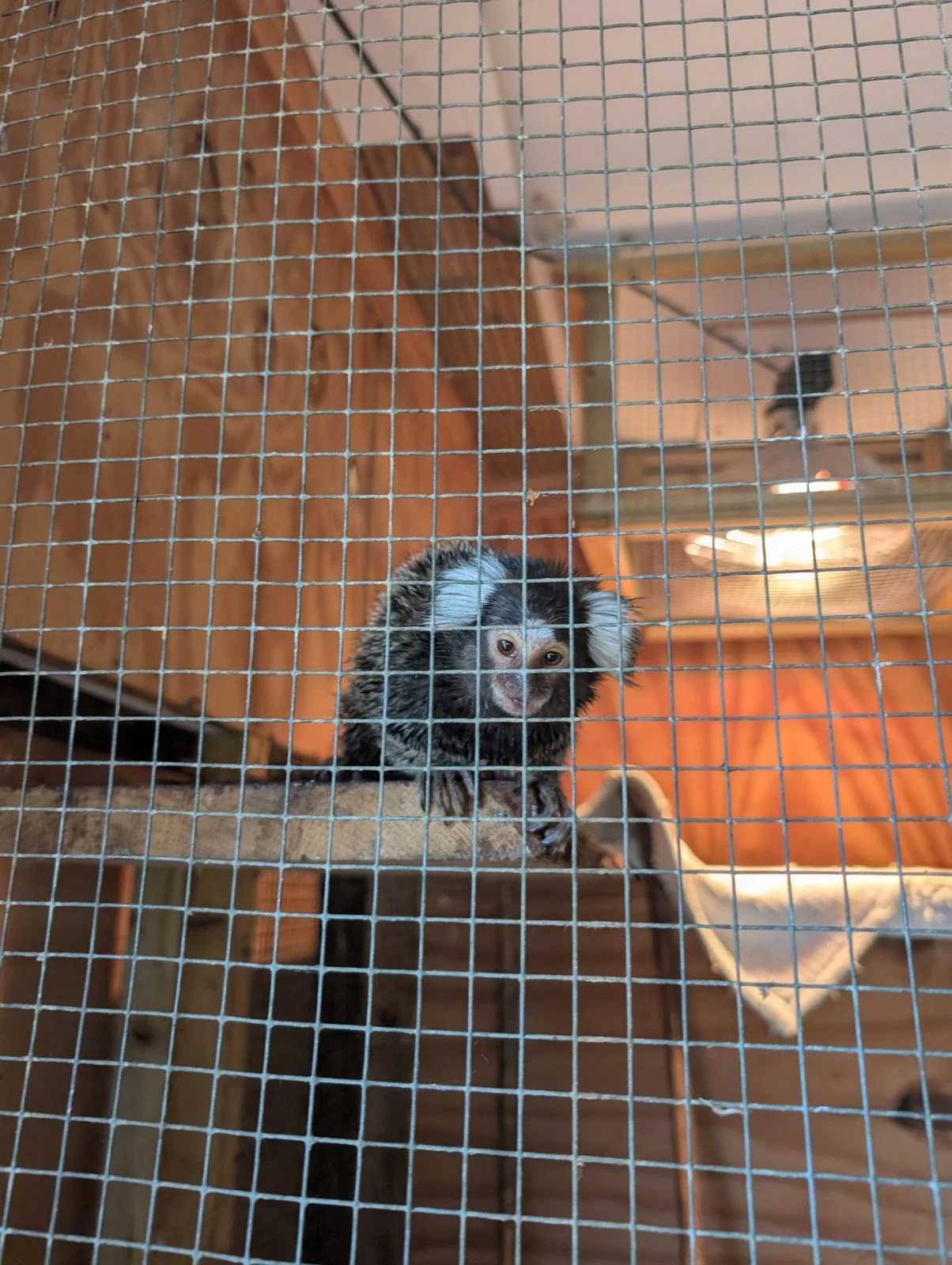
The RSPCA has warned a marmoset found on a London bus could be “the first of many” abandoned after tougher rules on owning the animals came into force.
The primate was discovered in a laundry bag on board a 302 bus by the driver on Friday morning.
Named “Oyster” after the Transport for London payment card, the marmoset was then rescued by the RSPCA.
Oyster has since been seen by a specialist vet and settled in to her new home at a specialist primate sanctuary, where she will soon be introduced to a new male companion.
However, the RSPCA says Oyster’s abandonment may be “the first of many,” following new legislation regarding pet ownership in England.
Since April, changes to Animal Welfare Regulations in England now requires all primate pet owners to have a license.
RSPCA exotic animals expert, Evie Button, said: “Primates are highly intelligent and social wild animals who need a lot of space, mental stimulation and appropriate companions – needs that can’t be met by human company alone.”
Ms Button added that, while the new rules are an “important step forward for animal welfare”, they also present problems for when owners cannot or do not want to license their pet.
RSPCA London chief inspector, Clare Dew, who is investigating the case, said: “This is clearly a direct result of the new legislation and is something we feared would happen.
“I’d be surprised if it’s the last primate we see being dumped.”
An estimated 5,000 primates are currently kept as pets in England.
However animal protection organisation Born Free has reported “very little uptake of the new license system,” and the RSPCA has expressed concern about the welfare of many of these animals.
Ms Dew urged anyone who is struggling to obtain a primate licence to speak to specialists, vets or charities, warning abandoning the animals can have “tragic” consequences.
Join thought-provoking conversations, follow other Independent readers and see their replies