

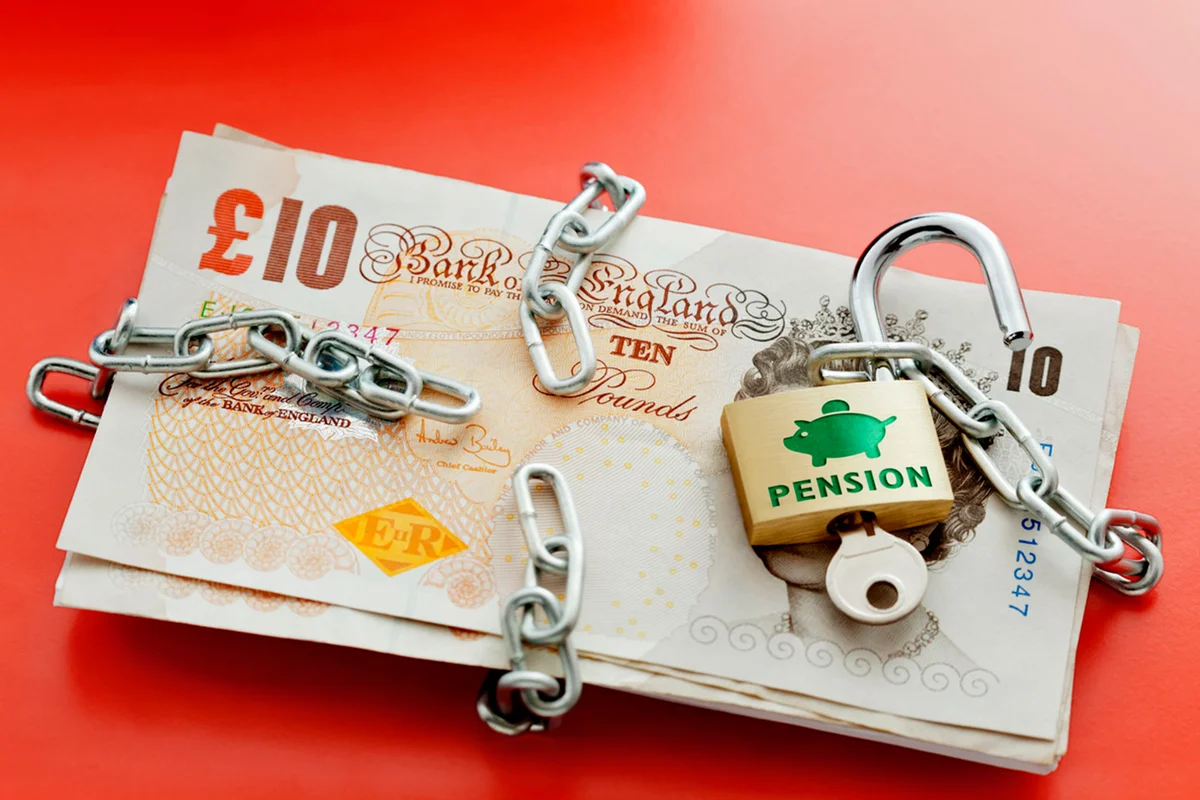
Fiscal drag means more people are paying higher tax rates without necessarily being more well-off
Frozen tax thresholds and rising inflation mean pensioners could now need tens of thousands of pounds more for their retirement income compared to five years ago, new analysis has shown.
More than one million pensioners are calculated to have been bumped into paying the highest rate of tax across this period, due to so-called fiscal drag caused by tax bands remaining intact, while income gradually moves higher.
Others have seen their income taxed in this way too, forcing them to move into the basic rate tax band or from basic to higher rate.
From next year, even pensioners whose sole income is a full state pension would have crossed the threshold into needing to pay a basic rate of income tax, if not for a government promise that they would not do so. But that will not apply to those who have delayed taking their pension in return for an increased rate, or who gets additional income from elsewhere – such as from an annuity.
Those who have moved from the basic rate (20 per cent) to higher rate (40 per cent) – so those with an income of above £50,270 – will face needing more money in their retirement savings to start with, to get the same eventual outcome, data reported by The Times shows.
Annuities are a financial product for retirees which will pay out a guaranteed income for life. In practice, you pay out a portion of your pension pot and that entitles you to a fixed amount annually, which is dependent on a range of factors including the annuity rate and the amount of cash you initially hand over.
Rates have been higher this year after being flat for a long time, as gilt yields have risen on the back of inflation concerns, political instability and wider global conflict. Consumers buying an annuity can work out how long they’d have to live in retirement to effectively break even on the initial outlay, while having a guaranteed amount coming in can also aid planning or cover known expenses, leaving the rest of the retirement pot untouched.
However, some annuity income may count toward annual allowances and that, with frozen allowances, has raised the amount originally required in a pension pot to withdraw the same amount of money compared to five years ago – by up to £64,000 in some cases.
Get a free fractional share worth up to £100.Capital at risk.
Get a free fractional share worth up to £100.Capital at risk.
Five years ago, a full state pension was £9,339 annually, so that figure plus a £40,000 income from private pensions would have remained under the £50,270 higher-rate threshold.
That threshold has not changed since 2021 but it would have been more than £64,000 today if it had changed in line with inflation.
If those private pension amounts have kept place with annual inflation, calculations by LCP show it would mean £51,200 a year income alongside the state pension, which is now at £12,547, for a £63,747 annual total – leaving the pensioner under the theoretical unfrozen threshold and in the 20 per cent tax rate bracket.
In reality, though, they will be well above it and paying 40 per cent on £13,477 – a total extra bill of £2,695.40 on that portion of the money.
To account for that loss, pensioners would need £4,492 extra to make up the difference, with LCP calculations showing that if a pensioner had used the money to buy a 7 per cent annuity, they’d need an extra £64,000 in their original pension pot to get the same eventual post-tax amount in their pocket.
“Those who are planning their retirement finances will increasingly need to allow for the fact that a significant chunk of the income they had planned to live on will be taxed at 40 per cent or more, and for some that means more pension saving will be needed today to compensate,” said former pensions minister Steve Webb, now of LCP.
It’s not just pensioners who are caught by frozen thresholds.
Everyday workers are increasingly being pushed into the next tax band by rising wages, while there’s also an “invisible” threshold known as the £100,000 tax trap which arrives before hitting the additional rate tax bracket at £125,140. There, the Personal Allowance tapers off and other allowances such as free childcare also end, creating an effective income tax rate of 60 per cent.
New analysis by investing platform IG shows that up to 2.5m British people could call foul of the £100,000 tax trap by 2031, when income tax thresholds are currently frozen until.
Michael Healy, CEO of IG consumer, said: “The £100,000 threshold is becoming increasingly detached from reality. It has been frozen since 2010, a time when Gordon Brown was our prime minister. A promotion, bonus or pay rise should not feel like a financial cliff edge, and hard-working professionals are being disincentivised from taking that next step in their careers. Our hugely outdated tax system is holding back economic growth, and it should be a priority of the government to end the freeze if they’re serious about boosting investment in the UK .”
Ahead of the Budget, financial firms are increasingly calling on Andy Burnham and chancellor John Healey to commit to not removing tax advantages around pensions in particular.
“The Pensions Commission found that 14.6 million people aren’t saving enough for retirement, but that this rises by 2 million if people take their tax free cash and spend it,” said Sarah Coles, head of personal finance at AJ Bell.
“Even if they hang onto it until retirement, if it’s in savings it means missing out on the growth potential of investment. And if they have too much to shelter it from tax in ISAs, they risk paying anything from income tax on savings to capital gains tax and dividend tax on investments.
“It’s why the government should commit to a tax lock, guaranteeing stability on the two core tax incentives in-built in the pension system: Tax-free cash and pensions tax relief.”
Join thought-provoking conversations, follow other Independent readers and see their replies