

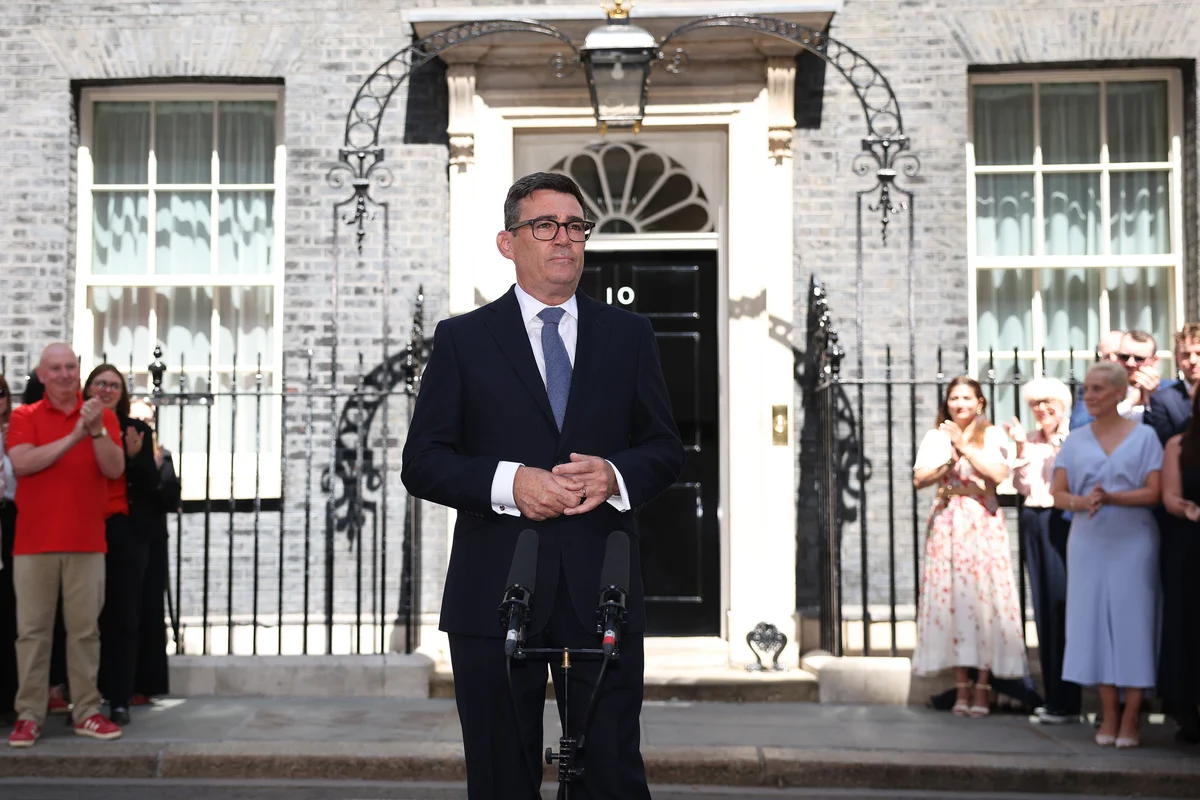
The personal allowance has been frozen for five years, pulling more people into paying tax
Andy Burnham assumed his role as prime minister on Monday and one of his top priorities is tackling the cost of living crisis.
Keir Starmer’s replacement told The Times he wanted to bring a “tangible” improvement to households, saying “the thing I heard the most on the doorsteps” when canvassing voters in Makerfield was the tax-free personal allowance threshold. While that’s not yet a confirmed policy, it’s clearly one of the options on the table after the new prime minister also removed VAT from household electricity bills.
The personal allowance – the amount of income a person can receive annually before starting to pay tax on earnings – has been frozen at £12,570 for five years. Tax band thresholds have similarly been stuck at the same level rather than rising as wages grow larger.
By the process called fiscal drag, that has meant more people being pulled into either paying tax for the first time or paying a higher tax bracket, as wages naturally rise along with inflation.
But if Mr Burnham was to lift the personal allowance, it would give a small amount of breathing space to basic rate taxpayers in particular.
Ultimately, until the new prime minister provides more details of his plan it’s a guessing game to an extent.
Previously, the personal allowance rose in line with CPI inflation each year, but there are provisions to change that – such as, for example, freezing it.
Two potential options for Mr Burnham would be to either use the CPI inflation figure, or – for a slightly bigger boost – to lift it in line with the state pension triple lock policy.
While presumably there would be no change until April of next year in either case, it’s possible to use 2025 figures to give a representative look at what any alteration would mean for taxpayers.
Get a free fractional share worth up to £100.Capital at risk.
Get a free fractional share worth up to £100.Capital at risk.
For the purposes of illustrating these calculations we’ll use a basic UK average salary of £35,000 and assuming no additional income or payments other than income tax and National Insurance (NI).
CPI inflation figures for September of the previous year are typically used to calculate changes which come into force the following April, when the next financial year starts. For this example, that means using September 2025 data, when CPI inflation was 3.8 per cent.
That would uplift the personal allowance from £12,570 by £477.66, rounded to £480, so giving a new figure of £13,050.
On a £35,000 salary, currently that gives a taxable income of £22,430, taxed at 20 per cent – or £4,486.
Following our theoretical change to the personal allowance, only £21,950 would be taxed at 20 per cent – so £4,390.
That equals a £96 saving per year for the employee, to which we could potentially add £38.40 per year if NI is similarly uplifted, to give a total of £134.40 extra ‘in pocket’ per year.
The figures are largely not life-changing for most workers, says Kate Steere, personal finance expert at comparison site Finder, though any additional untaxed income would likely be welcomed at this stage by Britons after a series of higher taxations on businesses and people alike over the past two years.
And, Ms Steere added, it could be an immediate boost for Mr Burnham just by the amount of people it would impact.
“Andy Burnham wants to create ‘breathing space’, but would this be more of a brief exhale than a proper breath of fresh air?,” she told The Independent.
“Assuming the personal allowance was in fact increased in line with September’s CPI inflation figure then anyone in the basic rate tax band would be around £96 better off per year. For those in the higher tax rates (up to £100k), the savings would be £192, which would then taper down for anyone earning between £100k and £125,140.
“These amounts aren’t life-changing, but they would undoubtedly be a nice boost. The scale of these savings is also an undeniable positive – around 40 million Brits would benefit from this.”
Additional-rate taxpayers see their personal allowance lowered once their earnings surpass £100,000, coming down £1 for every extra £2 earned, meaning they have zero personal allowance by the time they hit the £125,140 threshold.
For an alternative scenario, if Mr Burnham broke with tradition and went the triple lock rule as a one-off, the personal allowance would rise 4.1 per cent due to 2025 wage growth figures.
Instead, that would yield a £13,090 personal allowance, giving a £104 saving to our basic taxpayer example, or £145.60 in total including NI.
The saving amount would be the same for any basic rate taxpayer regardless of if their salary was £20,000 or £45,000, as the allowance impacts the first portion of money which is taxable.
In better economic times it is possible to cut taxes and still have a nation which grows – but the UK’s GDP is low and the Treasury has a high level of public debt, which Rachel Reeves has been endeavouring to lower.
While the individual saving per person does not seem extravagant, the loss of tax take could amount to anywhere between £4.5bn and £5.5bn annually, according to HMRC Ready Reckoner numbers which estimate the impact of changes to tax.
Tax expert Dan Neidle agreed with this assessment on X, adding that it was a “bad tax cut” which saved only around £100 a year for a basic rate taxpayer versus a £5bn cost to the Treasury, compared to a 1p employee National Insurance cut which cost the same but saved the average worker £250 a year.
Presumably, that £5bn would need to be recouped at least in part by a tax rise elsewhere, perhaps through increased additional rate income tax as Mr Burnham has previously hinted he would look at.
“As we know, there is no such thing as free money,” Ms Steere said. “Is this a case of relief today only to be hit elsewhere tomorrow?
“Burnham has actively spoken in favour of replacing council tax with an annual property tax. For millions of homeowners, that structural shift could mean this week’s nice little bonus evaporates just as quickly as it arrived.”
Join thought-provoking conversations, follow other Independent readers and see their replies