

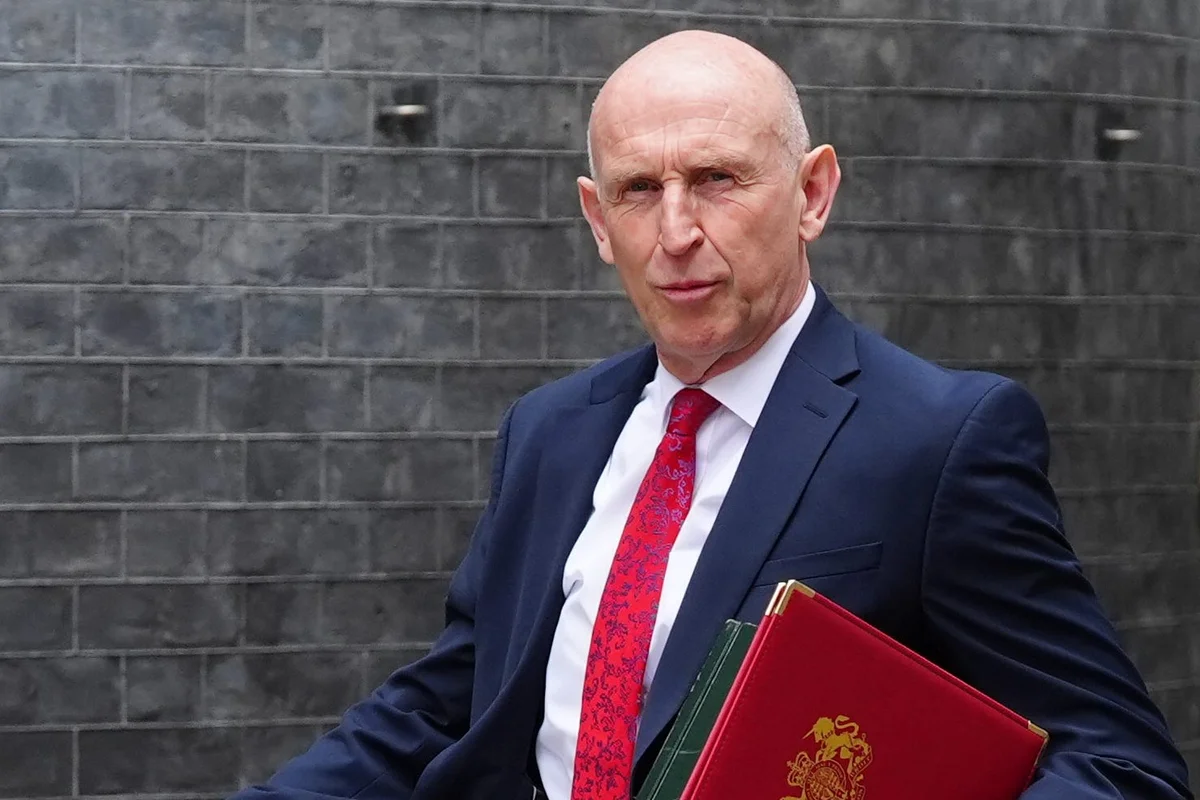
Most economists had forecast zero borrowing last month while the OBR had predicted a £500 million surplus
Official figures showing an unexpected rise in government borrowing to £1.8 billion last month have laid bare the severe fiscal pressure on new Chancellor John Healey ahead of his first Budget.
According to the Office for National Statistics (ONS), public borrowing in July was £700 million, or 68.7 per cent, higher than the same month last year, confounding previous forecasts.
Most economists had expected borrowing to be zero last month, whereas the independent fiscal forecaster, the Office for Budget Responsibility (OBR), had projected a £500 million surplus.
The jump in borrowing occurred despite income tax receipts hitting a record high for July.
Borrowing over the initial four months of the financial year stood at £56.7 billion, also exceeding OBR forecasts. This was nevertheless £6 billion — or 9.6 per cent — lower than a year earlier, aided by a £2.7 billion downward revision to figures from the previous three months.
Total UK debt now sits just short of the £3 trillion threshold at £2.985 trillion, representing 94.1 per cent of gross domestic product (GDP).
The figures highlight the economic headache confronting Mr Healey as he prepares to deliver his first Budget on 28 October.
Mr Healey said: “Fiscal discipline is the bedrock of our UK economic stability and national security, which is why we are committed to meeting our fiscal rules, with a buffer against global uncertainties.
“We are cutting the deficit faster than any other G7 economy while giving people a bit of breathing space with cost-of-living pressures and focusing support to get young people into work.”
The figures come days after Prime Minister Andy Burnham said the new Manchester-based satellite office of Downing Street will take over responsibility for growth while the Treasury will focus on controlling the public finances.
In an interview with The Times, Mr Burnham said the Treasury’s dual duties of growing the economy and controlling public finances hampered its ability to do either.
July is traditionally a bumper month for income tax receipts, after January, given the second payment deadline for self-assessment at the end of the month, and hit £17.1 billion last month – up £1.7 billion on a year ago, according to the ONS.
Spending outweighed the tax boost, with another £2 billion spent on social benefits compared with a year ago, while the interest of government debt payments also rose £700 million to £7.7 billion last month.
Grant Fitzner, chief economist at the ONS, said: “Borrowing was slightly higher this month than in July last year, with spending growth outpacing higher receipts, including from self-assessed taxes which often feed in more strongly in July.”
But the ONS added income tax receipts may also filter through to the August data due to some delayed July self-assessment payments.
Thomas Pugh, chief economist at RSM UK warned taxes would need to rise for the Government to keep the nation’s finances on track, with rising yields on government bonds, or gilts, also pushing up long-term borrowing costs.
He said: “The commitment to sticking to the fiscal rules means further tax rises are inevitable come the autumn Budget.
“The risk is that more borrowing to spend fuels inflation and pushes up gilt yields further, leaving the new Chancellor having to borrow more just to stand still.”
Join thought-provoking conversations, follow other Independent readers and see their replies