

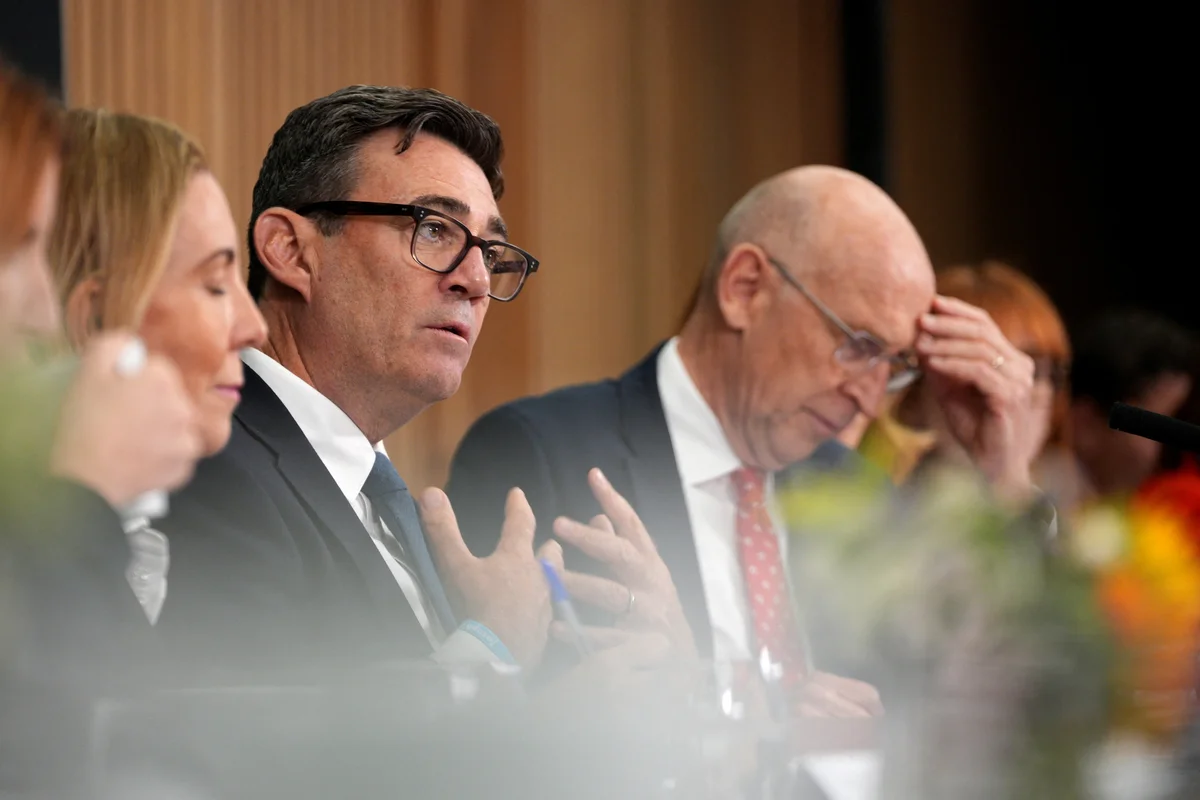
Sir Keir Starmer previously pledged 3.5 per cent by 2035 and aimed for 3 per cent in the next parliament
Prime minister Andy Burnham has declined to commit to the UK increasing its defence spending to 3 per cent of GDP by 2030.
This contrasts with his predecessor, Sir Keir Starmer, whose government pledged 3.5 per cent by 2035 and aimed for 3 per cent in the next Parliament.
John Healey, now chancellor, previously Sir Keir’s Defence Secretary, stated upon his resignation he was “certain” Britain should reach 3 per cent by 2030.
However, he warned the actual defence investment plan would only achieve 2.68 per cent by the decade’s end, expressing frustration at the lack of a clear timetable for the 3 per cent target.
When Mr Burnham was asked at a press conference in North London on Wednesday whether he would make the commitment, he pointed instead to the later target of 3.5 per cent on core defence that the Nato military alliance has tasked all members with spending by 2035 in preparation for the growing threat from Russia.
He said: “When it comes to defence, obviously those commitments … relate to the Parliament after this one.
“In terms of our Nato commitments, I have been very clear that we will honour those commitments.
“It does mean being prepared to look at challenging issues.”
He suggested that other policy changes would clear a path to meeting defence spending targets further down the line, saying: “We’re paying for failure, and we’re paying quite a lot actually for failure”.
He referred to the cost to the NHS of failing to fund social care “at the front end” and his plans to tackle the number of young people out of work and training.
“We’ve got to start investing in success and helping people succeed, rather than paying for failure.
“And if we change those things, then we will open up the way of meeting our commitments on defence,” he said.
Mr Healey quit as defence secretary in June, saying the defence investment plan did not provide enough money to future-proof the armed forces and keep Britain safe and criticised then-prime minister Sir Keir Starmer for not setting out a realistic timetable for the UK’s obligations to Nato to raise defence spending.
Defence spending was due to rise to 2.7 per cent of GDP by 2030 but Mr Healey argued it should instead rise to 3 per cent by then.
Join thought-provoking conversations, follow other Independent readers and see their replies